Dry fruits are considered a nutritious and convenient snack option that can provide numerous health benefits. But what are the benefits of dry fruits? Dry fruits, also known as dried fruits, are fruits that have had their water content removed, either through dehydration or drying methods.
These fruits retain their nutritional value and become concentrated sources of vitamins, minerals, and antioxidants. Including dry fruits in your daily diet can support heart health, aid in digestion, boost energy, and much more. In this article, we will explore the health benefits of dry fruits, how they can improve your overall well-being, and how to incorporate them into your diet for maximum health benefits.
The Nutritional Power of Dry Fruits
Dry fruits are packed with concentrated nutrients, making them a highly beneficial addition to your diet. They are rich in essential vitamins, minerals, fiber, and antioxidants, all of which play crucial roles in supporting various bodily functions.
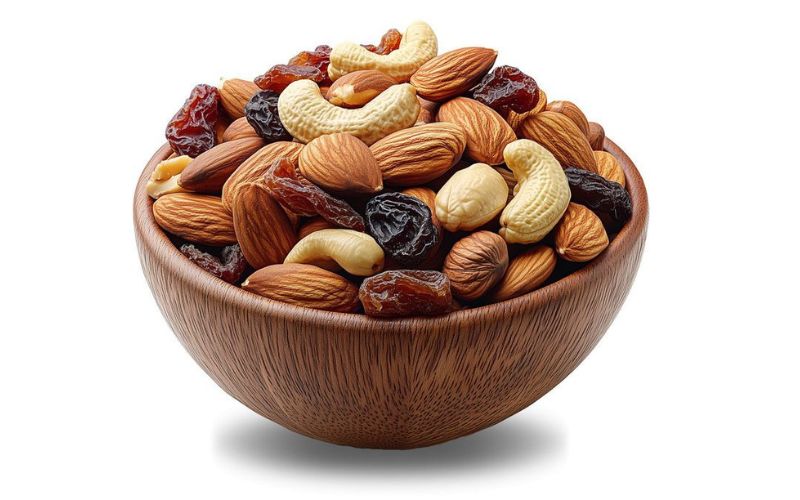
- Vitamins: Dry fruits like apricots, raisins, and figs are excellent sources of vitamins like Vitamin A, Vitamin C, and B-complex vitamins, which help maintain skin health, boost immunity, and support energy production.
- Minerals: Dried fruits are rich in essential minerals such as iron, potassium, magnesium, and calcium, which are vital for bone health, heart function, and muscle control.
- Fiber: Dried fruits like prunes, apricots, and raisins provide a high amount of dietary fiber, which aids digestion and helps regulate blood sugar levels.
- Antioxidants: Many dry fruits, including cranberries and goji berries, are rich in antioxidants, which help protect the body from oxidative stress and reduce inflammation.
Key Health Benefits of Dry Fruits
1. Promote Heart Health
One of the most well-known benefits of dry fruits is their positive effect on heart health. Many dry fruits, such as almonds, walnuts, and dried figs, contain healthy fats like omega-3 fatty acids, which are beneficial for maintaining heart health. These healthy fats help reduce bad cholesterol (LDL) levels while increasing good cholesterol (HDL), improving overall cardiovascular health.
- Healthy Fats: Walnuts, almonds, and pistachios are excellent sources of monounsaturated and polyunsaturated fats.
- Potassium & Magnesium: Dried apricots and raisins are rich in potassium and magnesium, both of which help regulate blood pressure and maintain healthy heart function.
By including dry fruits like almonds and walnuts in your diet, you can help reduce the risk of heart disease, stroke, and hypertension.
2. Support Digestive Health
Dry fruits are a great source of dietary fiber, which plays a key role in promoting digestive health. Fiber helps to regulate bowel movements, prevent constipation, and support the growth of beneficial gut bacteria. Certain dry fruits, like prunes and figs, are known for their ability to relieve constipation and promote regular bowel movements.
- High-Fiber Fruits: Dried figs, prunes, raisins, and apricots are excellent sources of soluble and insoluble fiber.
- Digestive Health Benefits: Fiber helps in maintaining regularity, preventing bloating, and ensuring optimal nutrient absorption.
By consuming a variety of dry fruits every day, you can support healthy digestion and maintain a balanced gut microbiome.
3. Boost Energy Levels
Dry fruits are energy-dense and provide a quick, sustained source of energy, making them an ideal snack for people who need an energy boost during the day. The natural sugars in dried fruits, such as glucose and fructose, are absorbed quickly by the body, providing an immediate source of energy. The high carbohydrate content in dry fruits makes them a perfect snack for athletes, busy professionals, and anyone in need of an energy boost.
- Quick Energy: Dried dates, apricots, and raisins are rich in natural sugars, which provide a rapid energy release.
- Long-Lasting Energy: The healthy fats and fiber in dry fruits provide sustained energy throughout the day.
If you are looking for a natural source of energy, dry fruits are an excellent alternative to processed snacks or sugary energy bars.
4. Aid in Weight Management
Despite being calorie-dense, dry fruits can help in weight management when consumed in moderation. Their high fiber content promotes feelings of fullness and reduces overall calorie intake. Additionally, the healthy fats in dry fruits contribute to satiety, preventing overeating and snacking between meals.
- Satiety: Dried fruits like almonds, cashews, and pistachios are rich in healthy fats, which keep you full longer.
- Metabolism Boost: Certain dried fruits like apricots and raisins can help improve metabolism and regulate appetite.
For those trying to manage their weight, dry fruits can be a healthy snack option that keeps hunger at bay without the extra calories from processed foods.
5. Enhance Skin Health
Dry fruits are not only good for internal health but also benefit external appearance, particularly skin health. The high levels of antioxidants and vitamins A and C found in dried fruits like apricots, dates, and raisins help combat skin aging, promote collagen production, and protect the skin from UV damage and environmental pollutants.
- Vitamin C: Dried strawberries, apricots, and cranberries are rich in Vitamin C, which is essential for healthy skin.
- Antioxidants: Antioxidants in dry fruits, such as goji berries and raisins, protect the skin from free radical damage, reducing wrinkles and signs of aging.
By adding dry fruits to your diet, you can promote healthy, glowing skin and prevent premature aging.
Types of Dry Fruits and Their Benefits
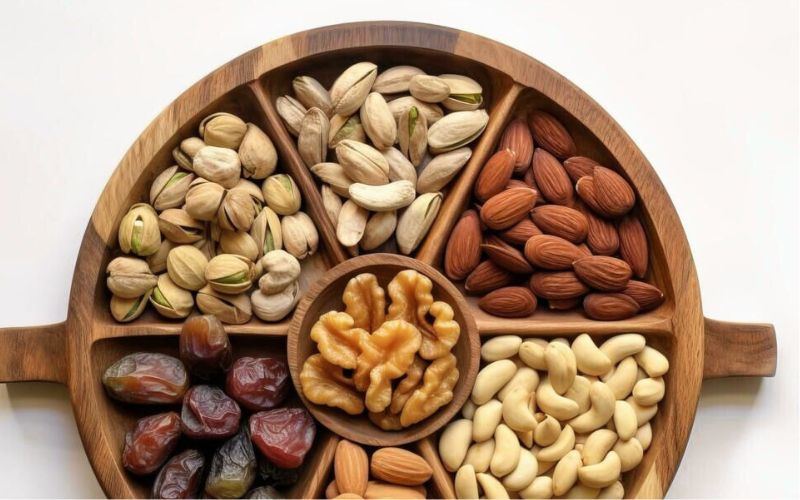
To reap the full benefits of dry fruits, it’s important to include a variety in your diet. Each type of dry fruit offers its own unique set of benefits. Here are some popular dry fruits and their health advantages:
1. Raisins
Raisins are packed with antioxidants, fiber, and essential minerals like potassium and iron. They help support heart health, boost energy, and aid in digestion.
- Health Benefits: Improves digestion, boosts energy levels, supports heart health, and promotes iron absorption.
- Best for: Digestion, anemia, and heart health.
2. Almonds
Almonds are rich in Vitamin E, magnesium, and healthy fats. These dry fruits help lower cholesterol levels, improve heart health, and promote healthy brain function.
- Health Benefits: Reduces bad cholesterol, supports brain function, and aids in skin health.
- Best for: Heart health, brain function, and skin care.
3. Dates
Dates are packed with natural sugars, fiber, and essential vitamins like Vitamin B6. They are a great source of energy and help maintain stable blood sugar levels.
- Health Benefits: Provides a quick energy boost, supports digestive health, and regulates blood sugar.
- Best for: Energy, digestive health, and blood sugar control.
4. Walnuts
Walnuts are rich in omega-3 fatty acids and antioxidants, making them ideal for supporting brain health and reducing inflammation. They also improve heart health and promote healthy skin.
- Health Benefits: Enhances brain function, reduces inflammation, and supports heart health.
- Best for: Brain health, heart health, and inflammation reduction.
5. Figs
Figs are high in fiber, potassium, and antioxidants. They help regulate digestion, promote healthy blood pressure, and support bone health.
- Health Benefits: Aids in digestion, supports bone health, and helps regulate blood pressure.
- Best for: Digestion, blood pressure regulation, and bone health.
6. Cashews
Cashews are rich in healthy fats, protein, and minerals like magnesium and copper. They help improve heart health, support muscle function, and boost energy levels.
- Health Benefits: Promotes heart health, boosts energy, and supports muscle function.
- Best for: Heart health, muscle function, and energy.
How to Include Dry Fruits in Your Diet
Incorporating dry fruits into your daily routine is easy and delicious. Here are some simple ways to enjoy dry fruits:
- As a Snack: Keep a small handful of dry fruits like almonds, raisins, or cashews as a healthy, on-the-go snack.
- In Smoothies: Add dried fruits like dates, apricots, and figs to your smoothie for a nutrient boost.
- In Salads: Sprinkle dried cranberries, raisins, or apricots over your salads for extra flavor and nutrition.
- In Baking: Use dried fruits like raisins, figs, or dates in baked goods like muffins, cookies, or cakes.
- In Oatmeal or Yogurt: Mix dried fruits like raisins or goji berries into your morning oatmeal or yogurt for added texture and nutrients.
By adding dry fruits to your meals or snacks, you can easily boost your nutrient intake and enjoy the many health benefits they offer.
Conclusion
Dry fruits are a nutrient-rich, energy-boosting, and health-promoting addition to your diet. They provide essential vitamins, minerals, fiber, and antioxidants that support heart health, digestive function, energy levels, skin health, and more.
Whether you prefer almonds, raisins, or dates, there is a dry fruit for everyone to enjoy. By incorporating a variety of dry fruits into your diet, you can ensure that you are getting the full spectrum of benefits that these power-packed foods have to offer.